Cooking doesn’t have to be complicated or time-consuming. Whether you’re a beginner or someone who cooks daily, small kitchen improvements can make a big difference. Quick kitchen tips help you save time, reduce food waste, improve flavor, and keep your cooking routine stress-free.
If you often feel rushed in the kitchen, struggle with meal prep, or want to cook more efficiently, these practical and easy-to-follow kitchen tips will help you build confidence and streamline your daily cooking routine.
1. Prep Ingredients Before You Start Cooking
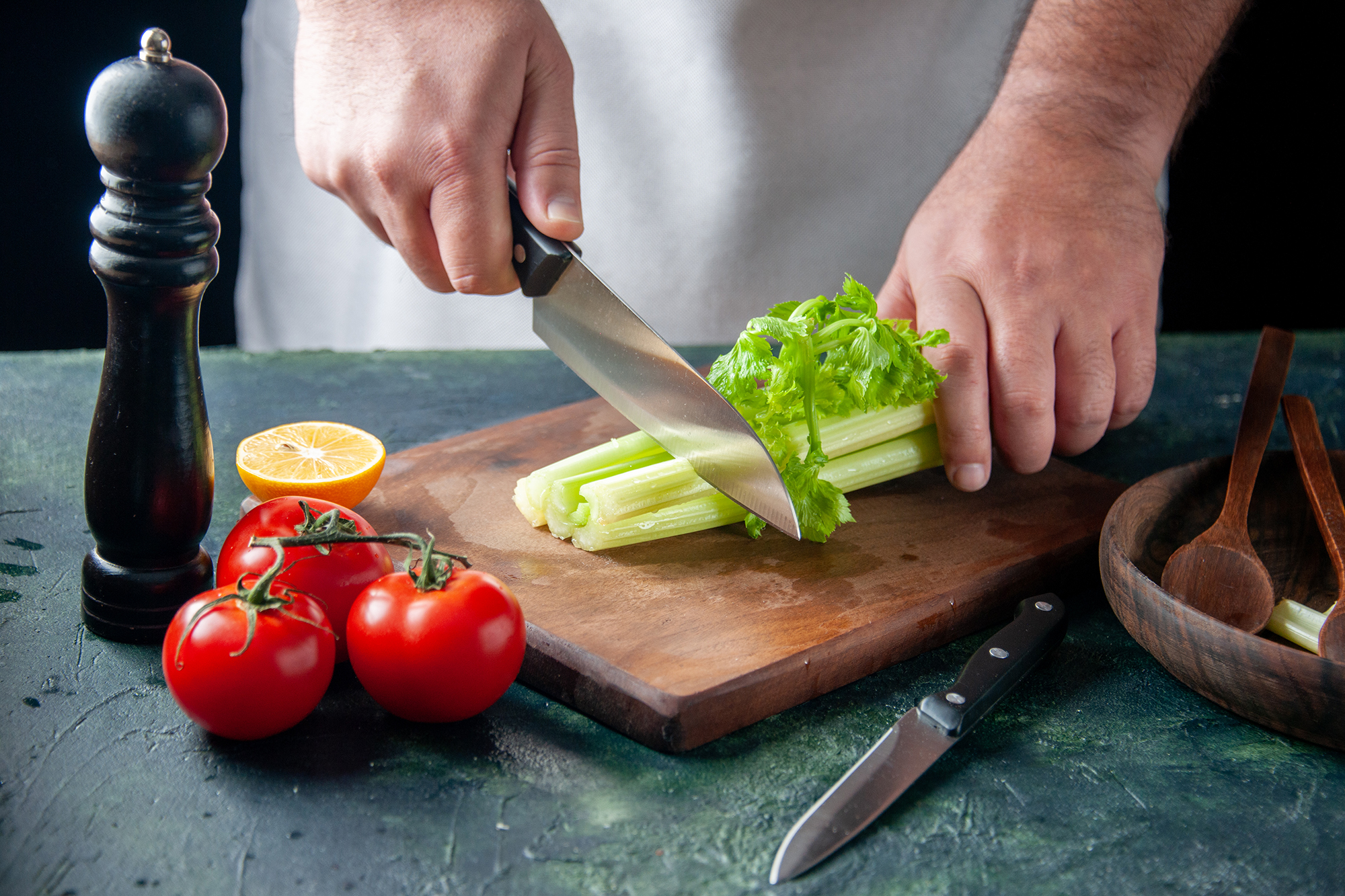
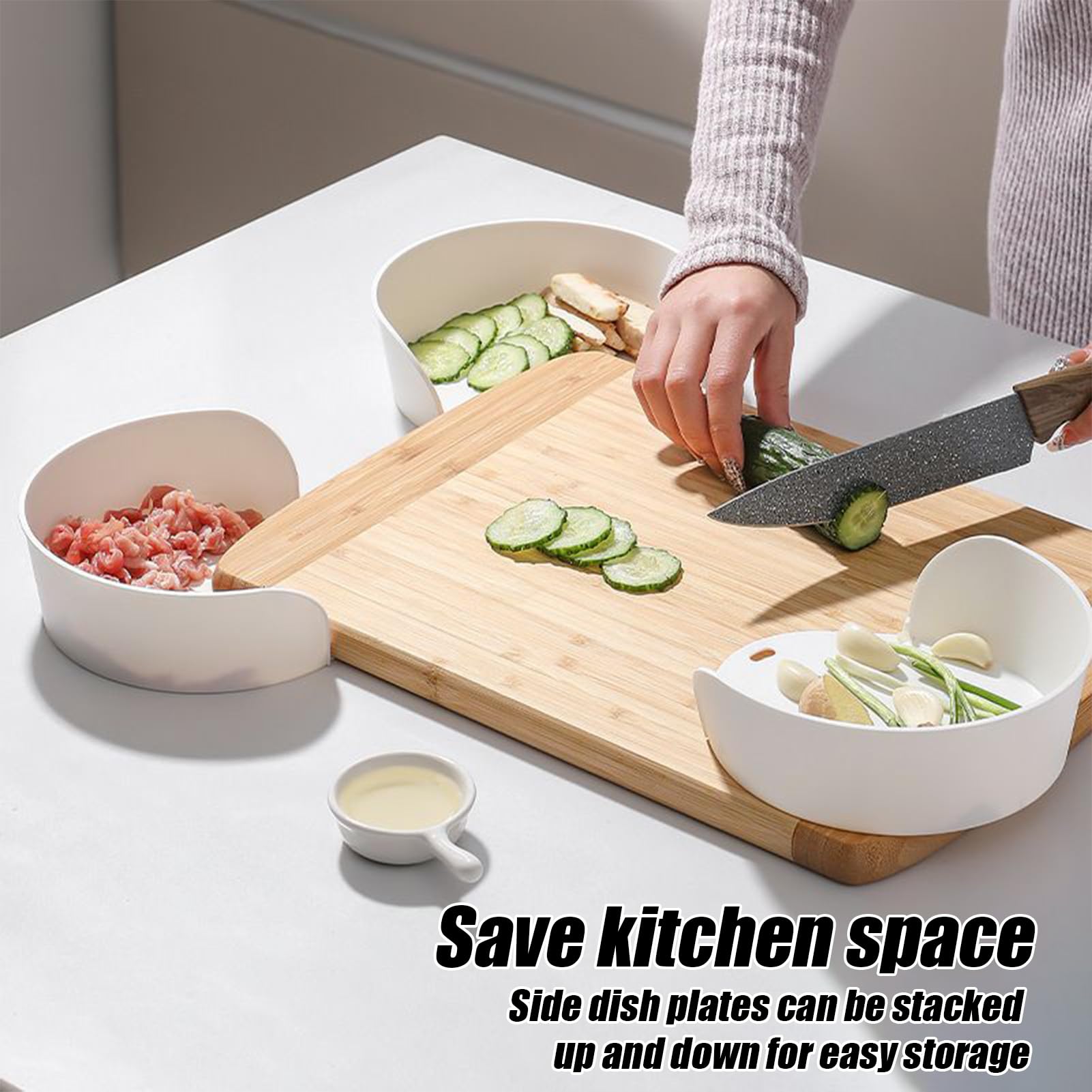

Professional chefs use a method called “mise en place,” which simply means preparing everything before cooking.
Why It Helps:
-
Prevents burning food while searching for ingredients
-
Reduces stress
-
Speeds up cooking
-
Keeps your kitchen organized
Wash, chop, measure, and arrange ingredients before turning on the stove.
2. Keep Your Knife Sharp and Safe



A sharp knife is safer than a dull one because it requires less force and reduces slipping.
Quick Knife Tips:
-
Sharpen regularly
-
Use a stable cutting board
-
Keep fingers tucked in (claw grip method)
-
Cut evenly for consistent cooking
Proper knife handling improves speed and safety.
3. Don’t Overcrowd the Pan

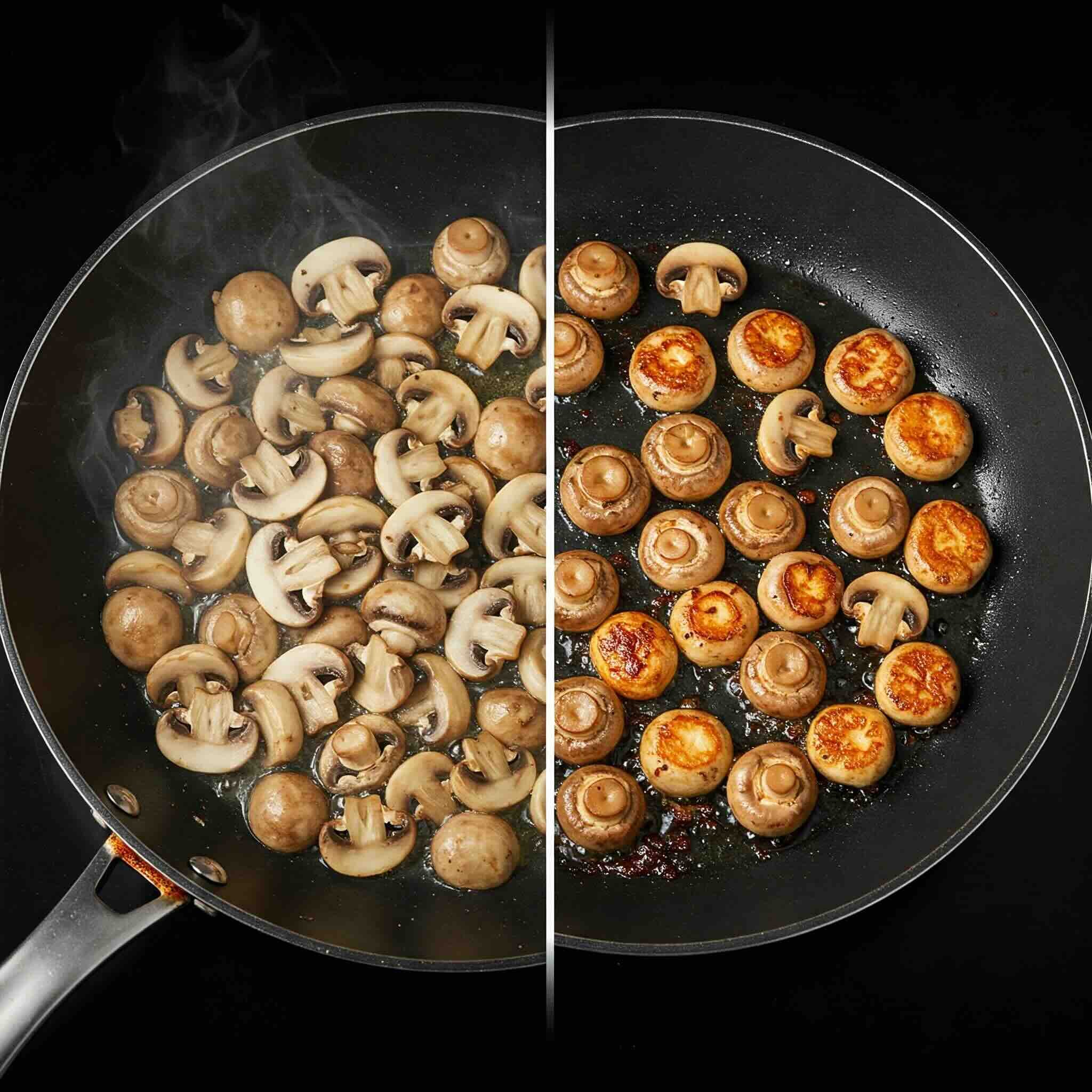
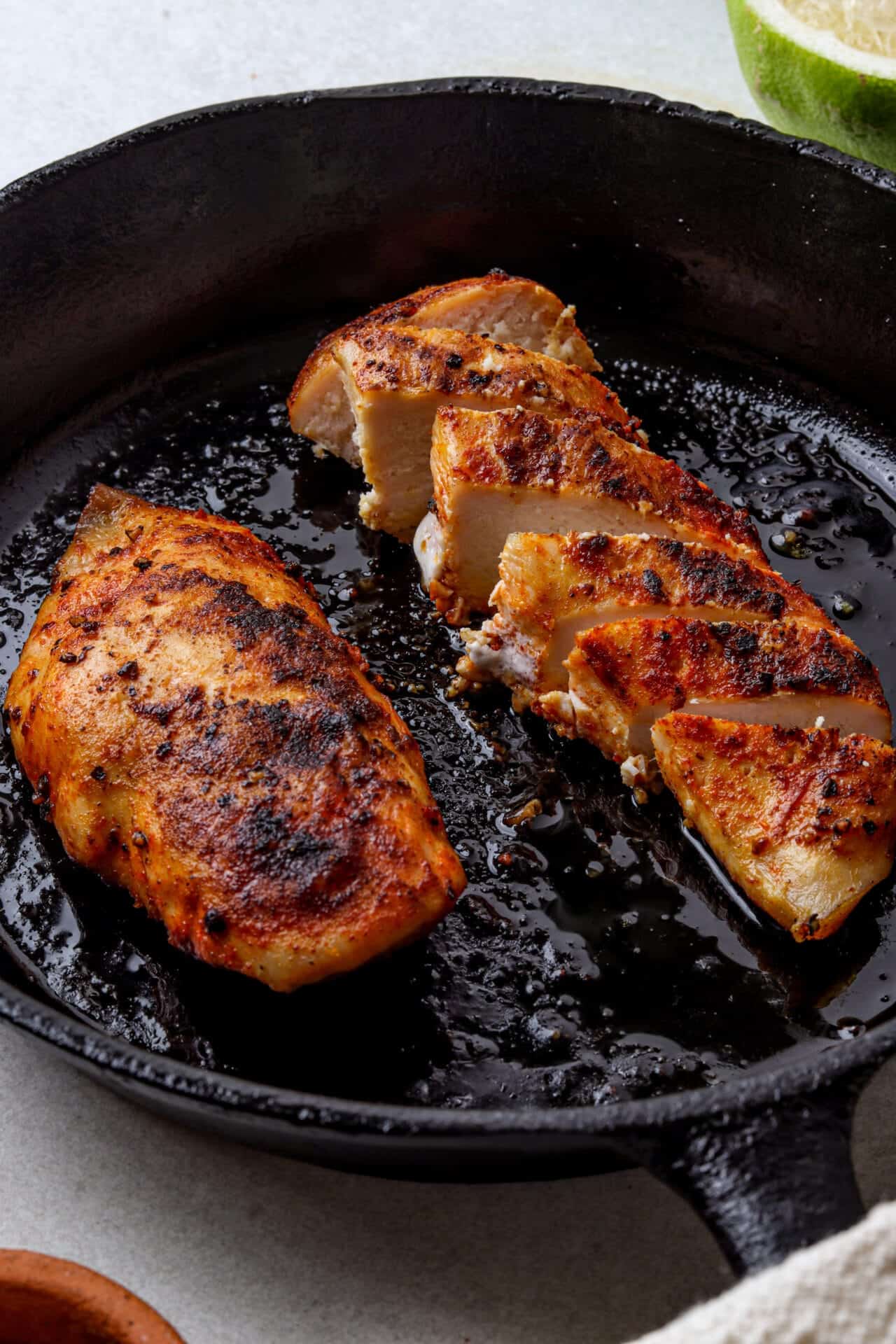
When you overcrowd a pan, food steams instead of browns. Browning creates flavor.
Solution:
Cook in batches if necessary. Leave space between ingredients to allow proper heat circulation.
4. Taste as You Cook

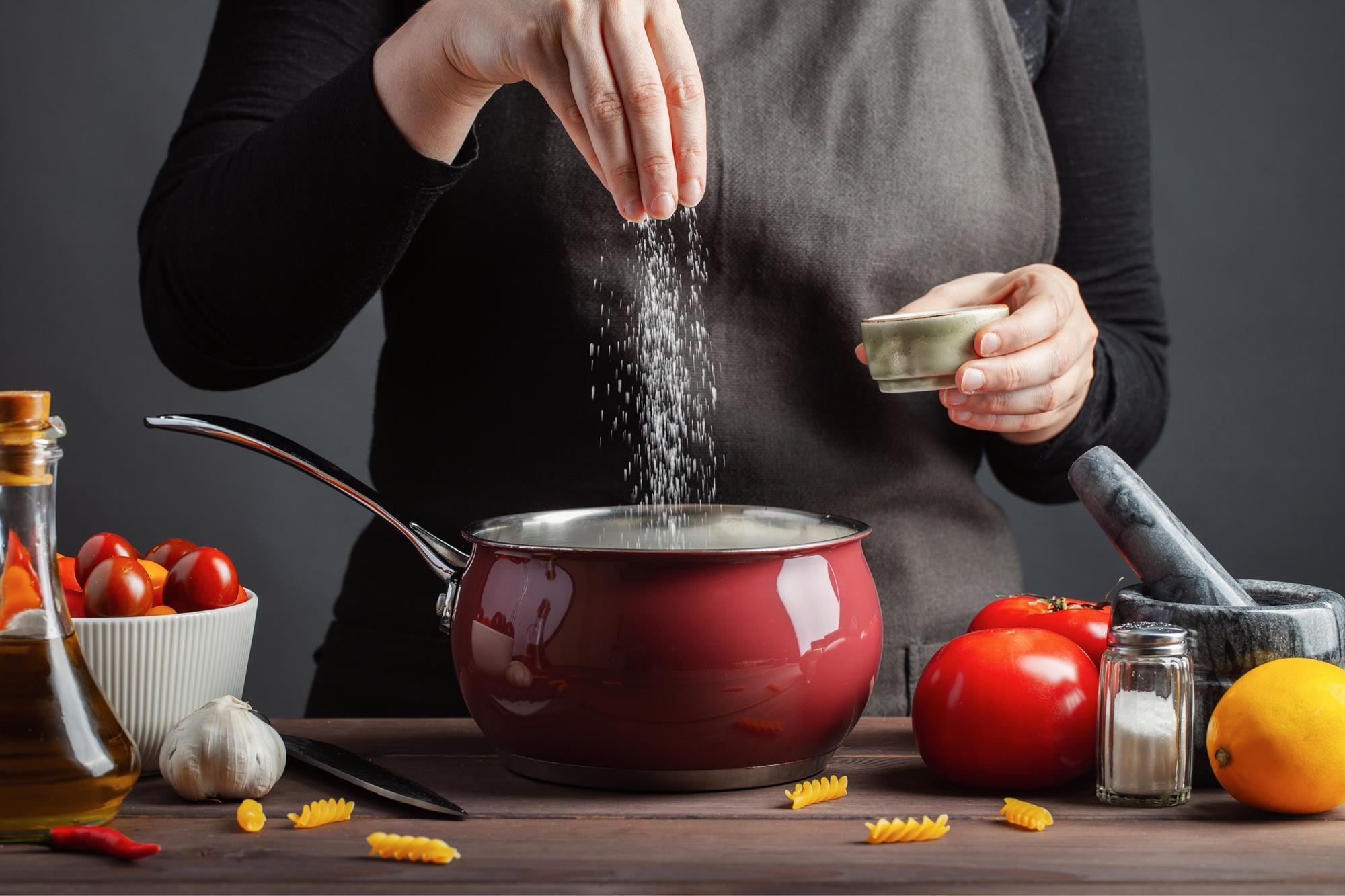

Season gradually and taste frequently.
Adding salt, herbs, or spices little by little helps you avoid over-seasoning. Adjust flavors while cooking instead of waiting until the end.
5. Use High Heat Carefully
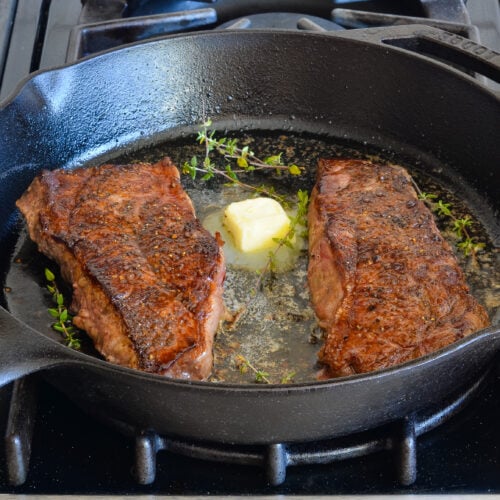


High heat is great for searing meat but can quickly burn food.
Smart Approach:
-
Preheat your pan properly
-
Use medium heat for most dishes
-
Lower heat if food browns too quickly
Temperature control is key to successful cooking.
6. Clean as You Go

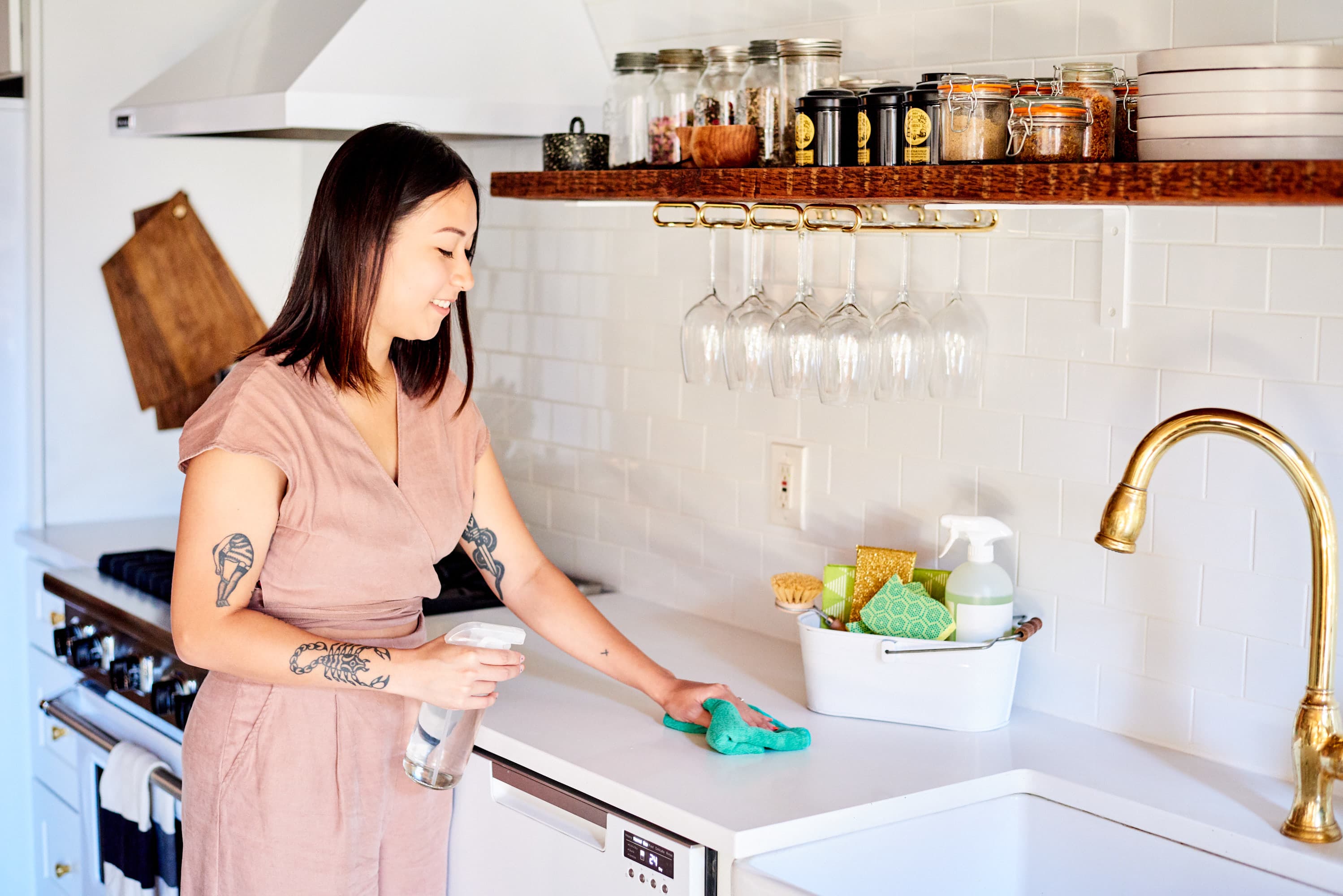
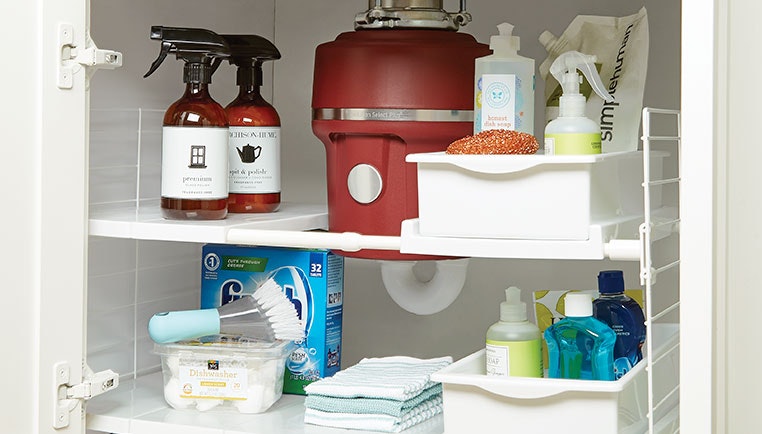
A messy kitchen creates stress and extra work later.
Simple Habit:
-
Wash utensils while food cooks
-
Wipe counters immediately
-
Put ingredients back after use
This keeps your space organized and saves time after meals.
7. Store Food Properly to Reduce Waste

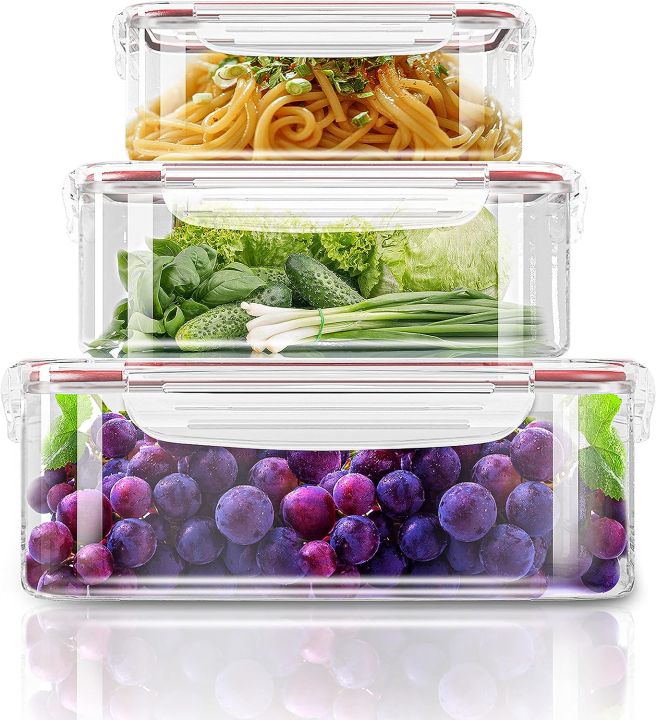

Proper storage extends food freshness.
Tips:
-
Use airtight containers
-
Label leftovers with dates
-
Store herbs in water like flowers
-
Keep raw meat separate from vegetables
Reducing waste saves money and improves food safety.
8. Plan Simple Weekly Meals
Meal planning reduces last-minute unhealthy choices.
Quick Planning Strategy:
-
Choose 4–5 easy dinners
-
Buy versatile ingredients
-
Cook once, eat twice (use leftovers creatively)
-
Keep healthy snacks ready
Planning makes cooking smoother and more efficient.
9. Use Basic Flavor Boosters
Simple ingredients can elevate basic meals:
-
Lemon juice for brightness
-
Garlic for depth
-
Fresh herbs for freshness
-
Olive oil for richness
-
Black pepper for mild heat
You don’t need complex sauces to create great taste.
10. Keep Emergency Quick Meals Ready
Busy days happen. Keep easy options available:
-
Eggs
-
Whole grain pasta
-
Canned beans
-
Frozen vegetables
-
Rice
With these staples, you can prepare a balanced meal in 15–20 minutes.
Frequently Asked Questions (FAQs)
1. How can I cook faster without sacrificing quality?
Prep ingredients first, use sharp knives, avoid overcrowding pans, and clean as you go. Efficiency improves with practice.
2. Why does my food sometimes taste bland?
You may not be seasoning enough or tasting while cooking. Add salt gradually and enhance flavor with herbs and acidity like lemon.
3. How do I prevent food from sticking to the pan?
Preheat your pan, add oil before ingredients, and avoid moving food too soon.
4. What’s the best way to save time during busy weekdays?
Meal prep in advance, cook in batches, and keep quick staple ingredients available.
5. Are simple meals healthy?
Yes. Balanced meals with protein, vegetables, whole grains, and healthy fats are nutritious even when simple.
Conclusion: Small Kitchen Habits Make a Big Difference
Quick kitchen tips are not about complicated tricks—they’re about smart habits. Preparing ingredients in advance, controlling heat, seasoning properly, and staying organized can transform your cooking experience.
With consistent practice, you’ll save time, reduce stress, and enjoy better-tasting meals every day. Start with one or two tips today, and gradually build a smoother, more confident kitchen routine.