Eating healthy doesn’t have to be complicated, expensive, or boring. Many people struggle with meal planning because they think balanced meals require strict dieting or hard-to-find ingredients. The truth is, balanced meal ideas are simple combinations of everyday foods that provide your body with the nutrients it needs to function at its best.
A balanced meal supports steady energy, better digestion, improved focus, and long-term disease prevention. In this guide, you’ll discover practical, realistic balanced meal ideas for breakfast, lunch, dinner, and snacks—plus tips to build your own healthy plates at home.
What Makes a Meal Balanced?
A balanced meal includes three key macronutrients:
-
Protein – supports muscle repair, immunity, and satiety
-
Complex carbohydrates – provide steady energy
-
Healthy fats – support brain health and hormone balance
In addition, meals should include fiber, vitamins, and minerals from fruits and vegetables.
A simple formula:
-
Half your plate: vegetables and fruits
-
One-quarter: lean protein
-
One-quarter: whole grains
-
Add small portions of healthy fats
This structure helps prevent overeating while supporting stable blood sugar levels.
Balanced Breakfast Ideas

Breakfast sets the tone for your day. Skipping it or choosing sugary options can lead to mid-morning energy crashes.
1. Oatmeal Power Bowl
-
Rolled oats
-
Fresh berries
-
Almonds or walnuts
-
A spoon of chia seeds
This combination provides fiber, antioxidants, healthy fats, and steady-release carbohydrates.
2. Vegetable Omelette with Whole-Grain Toast
-
2 eggs
-
Spinach, tomatoes, onions
-
1 slice whole-grain bread
-
A small slice of avocado
High-protein breakfasts help control hunger throughout the day.
3. Greek Yogurt Parfait
-
Plain Greek yogurt
-
Mixed berries
-
Pumpkin seeds
-
Small drizzle of honey
Rich in protein and probiotics for gut health.
Balanced Lunch Ideas

Lunch should refuel your body without causing afternoon sluggishness.
1. Grilled Chicken Salad Bowl
-
Mixed leafy greens
-
Grilled chicken breast
-
Cherry tomatoes, cucumbers
-
Olive oil and lemon dressing
Light yet filling, rich in protein and fiber.
2. Quinoa and Roasted Vegetable Bowl
-
Cooked quinoa
-
Roasted zucchini, bell peppers, carrots
-
Chickpeas
-
Tahini drizzle
Plant-based, high in fiber and essential nutrients.
3. Whole Wheat Turkey Sandwich
-
Whole-grain bread
-
Lean turkey
-
Lettuce, tomato
-
Mustard or hummus
Pair with a side of fruit for added vitamins.
Balanced Dinner Ideas

Dinner should nourish your body while being easy to digest before sleep.
1. Baked Salmon Plate
-
Salmon fillet
-
Brown rice
-
Steamed asparagus
Rich in omega-3 fatty acids for heart and brain health.
2. Vegetable Stir-Fry with Tofu
-
Mixed vegetables
-
Tofu cubes
-
Light soy or garlic sauce
-
Served with brown rice
A great plant-based protein option.
3. Grilled Chicken with Sweet Potato
-
Grilled chicken breast
-
Baked sweet potato
-
Steamed green beans
Provides a balance of protein, complex carbs, and fiber.
Smart Snack Ideas
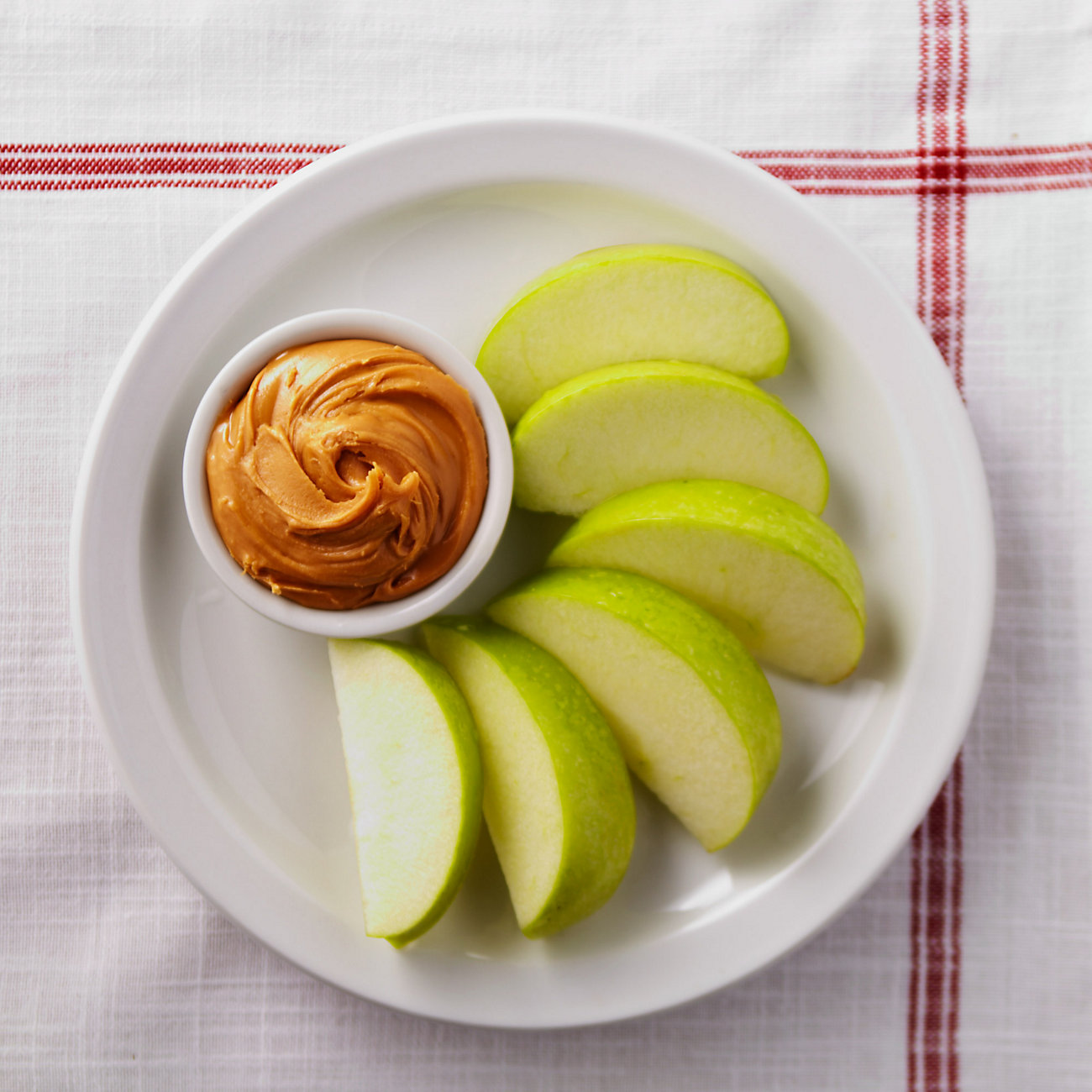
Healthy snacks prevent overeating during meals.
-
Apple slices with peanut butter
-
A handful of mixed nuts
-
Carrot sticks with hummus
-
Boiled eggs
-
Cottage cheese with fruit
Choose snacks that combine protein and fiber for longer-lasting fullness.
Tips for Planning Balanced Meals
1. Prep in Advance
Cook grains and proteins in batches for the week.
2. Keep Healthy Staples Ready
Stock your kitchen with eggs, beans, whole grains, frozen vegetables, and nuts.
3. Practice Portion Control
Use smaller plates and avoid eating directly from packages.
4. Stay Hydrated
Sometimes thirst feels like hunger.
5. Avoid Extreme Restrictions
Balance allows occasional treats without guilt.
Consistency matters more than perfection.
Frequently Asked Questions (FAQs)
1. How can I create balanced meals on a budget?
Choose affordable staples like beans, lentils, eggs, rice, oats, and seasonal vegetables. Cooking at home reduces costs significantly.
2. Are carbohydrates bad in balanced meals?
No. Complex carbohydrates like whole grains provide steady energy and fiber. The key is avoiding refined sugars.
3. How much protein should I include in each meal?
Aim for a palm-sized portion of protein per meal. Needs vary based on age, weight, and activity level.
4. Can balanced meals help with weight management?
Yes. Balanced meals stabilize blood sugar, reduce cravings, and improve metabolism, supporting healthy weight control.
5. Is meal planning necessary?
It’s not mandatory but highly helpful. Planning reduces unhealthy impulse eating and saves time.
Conclusion: Balanced Eating Made Simple
Balanced meal ideas are about combining the right nutrients in realistic portions. By including protein, complex carbohydrates, healthy fats, and plenty of vegetables, you give your body the tools it needs to stay energized and healthy.
You don’t need perfection or expensive superfoods. Start with simple ingredients, build balanced plates, and stay consistent. Over time, these smart choices will improve your energy, digestion, and overall well-being—one meal at a time.